


Solutions
Industries
Resources
Customers
Pricing
Sign in
Scott Alexander
Rationalist blog covering medicine, psychology, politics, and philosophy
Machine learning
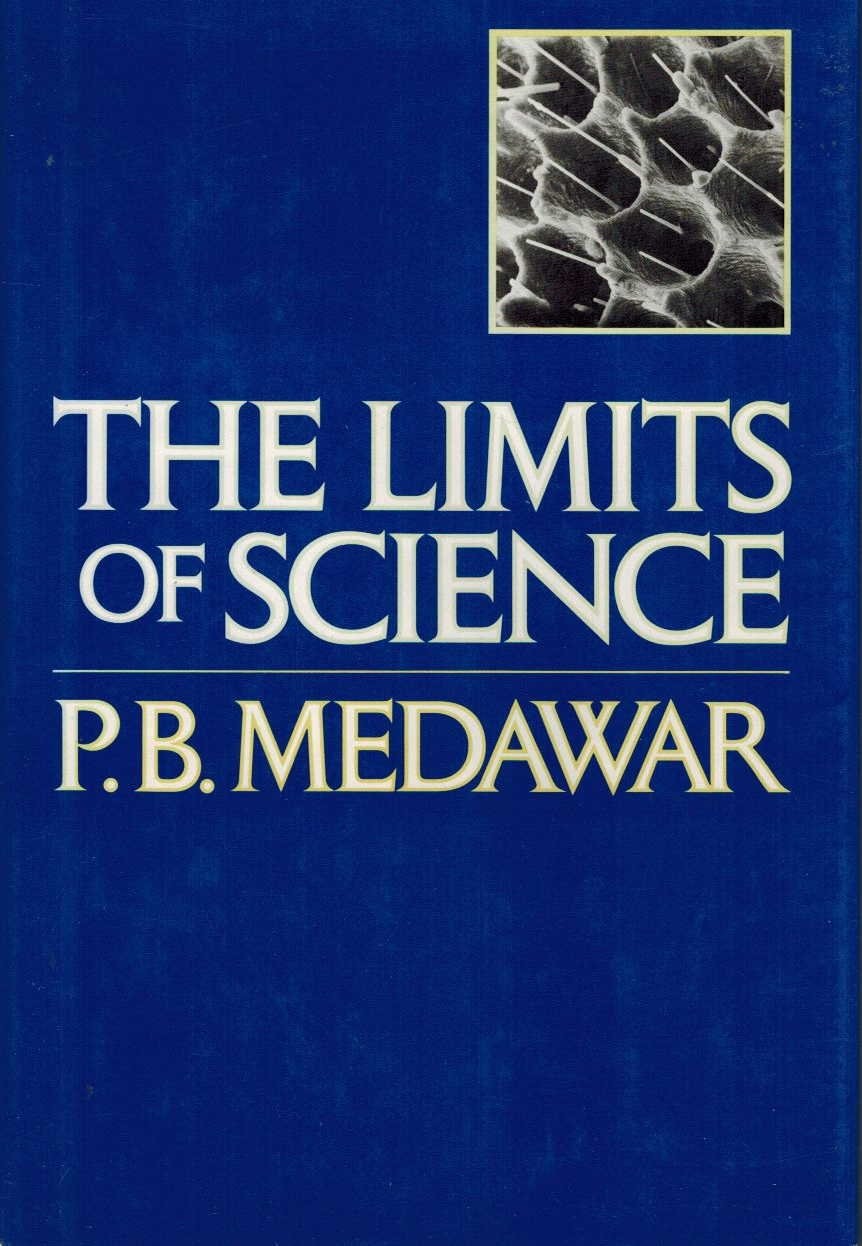
Science
Culture
Richard Ngo
Overview of machine learning: neural networks, training methods, and how AI learns from data
Lilian Weng
Comprehensive guide to attention mechanisms in deep learning, from seq2seq to transformers.
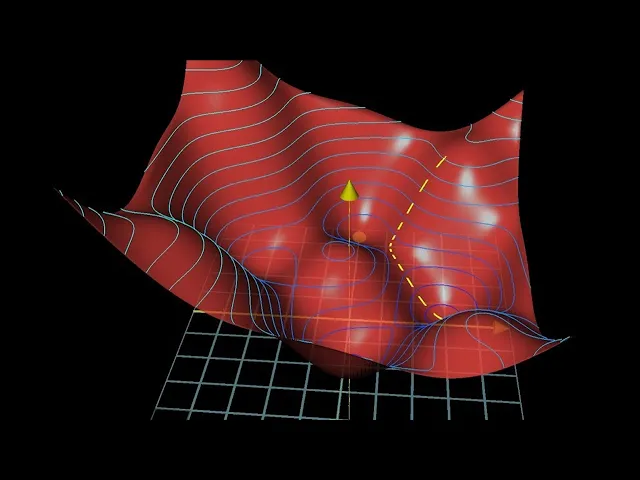
3Blue1Brown
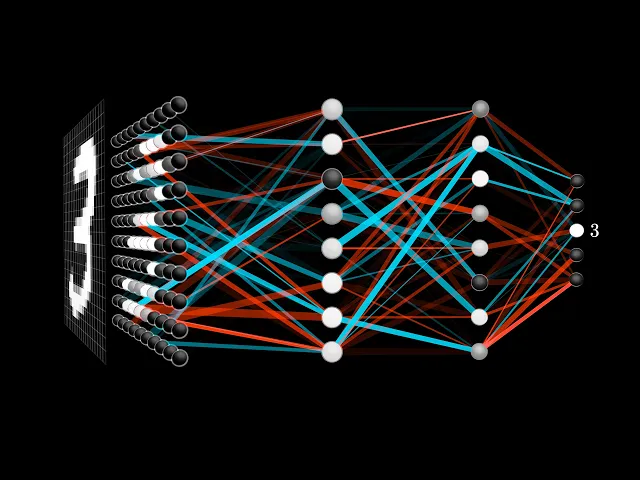
What are the neurons, why are there layers, and what is the math underlying it?
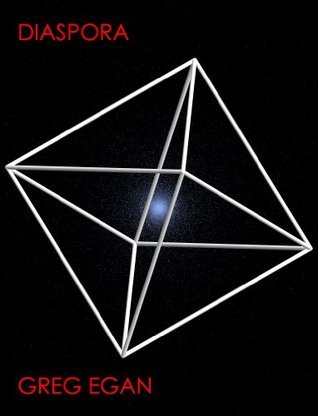
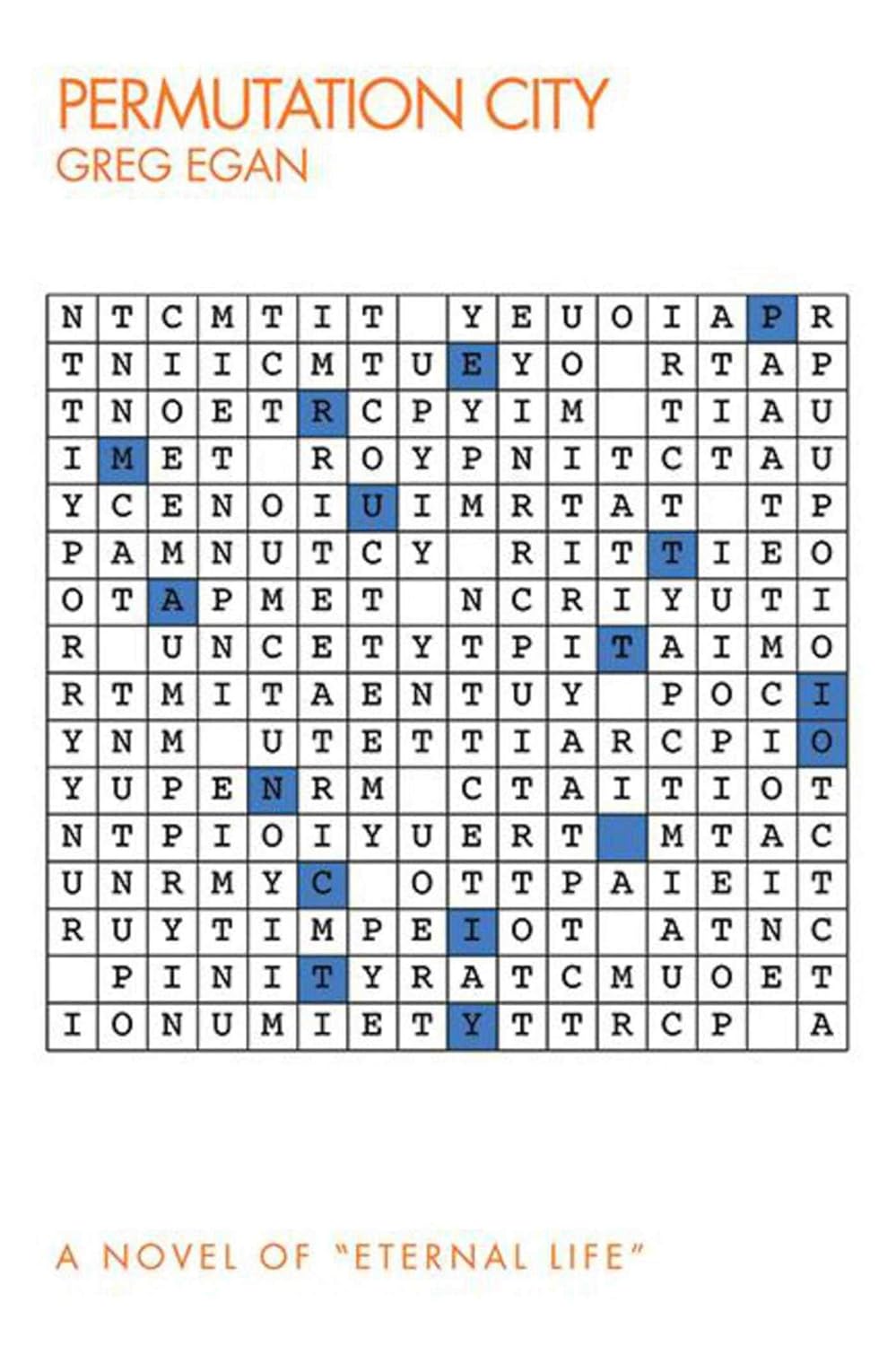
Greg Egan
Posthuman beings splinter into digital, robotic, and biological forms as they explore the cosmos.
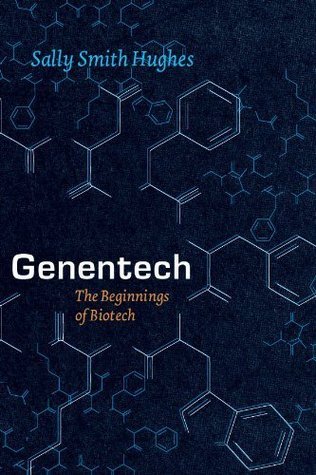
Sally Smith Hughes
The story of Genentech's founding and how it pioneered the biotechnology industry.
History
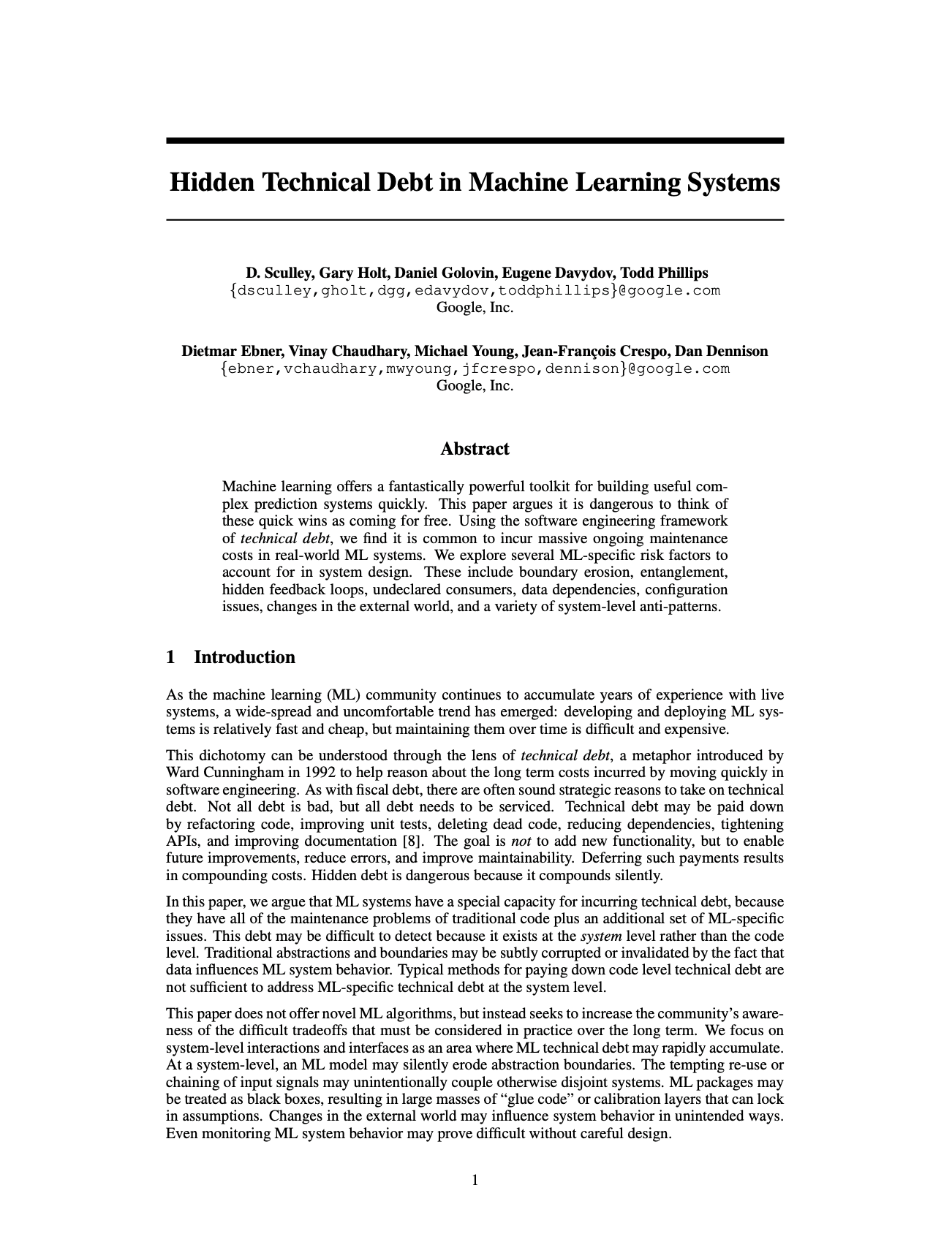
D. Sculley and others
Real-world machine learning systems accumulate technical debt and hidden maintenance costs over time.
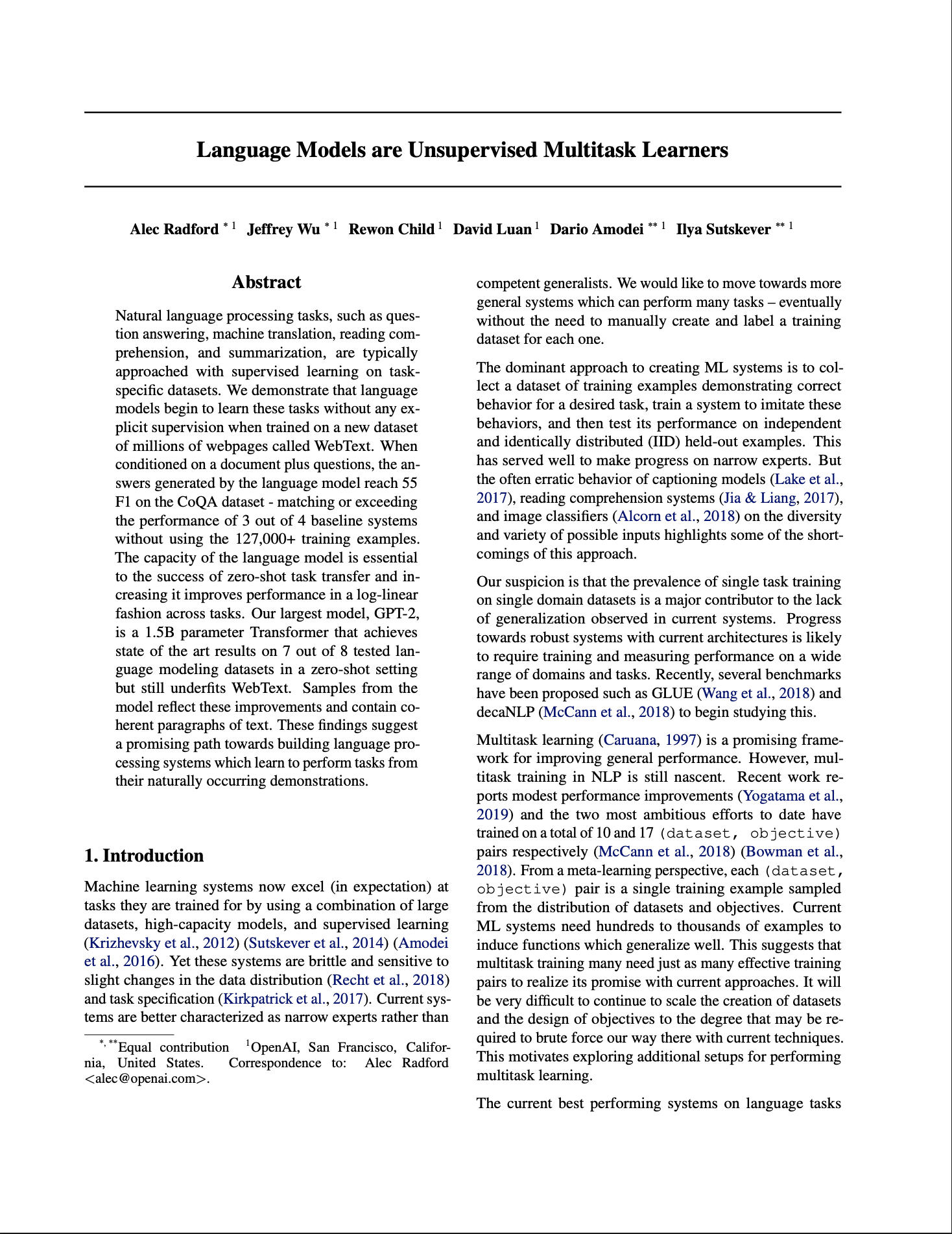
Alec Radford and others
Large language models can learn many different language tasks just by predicting the next word on lots of internet text, without needing task-specific training data.
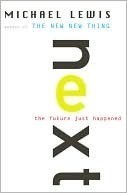
Michael Lewis
How the Internet boom has encouraged changes in the way we live, work, and think.
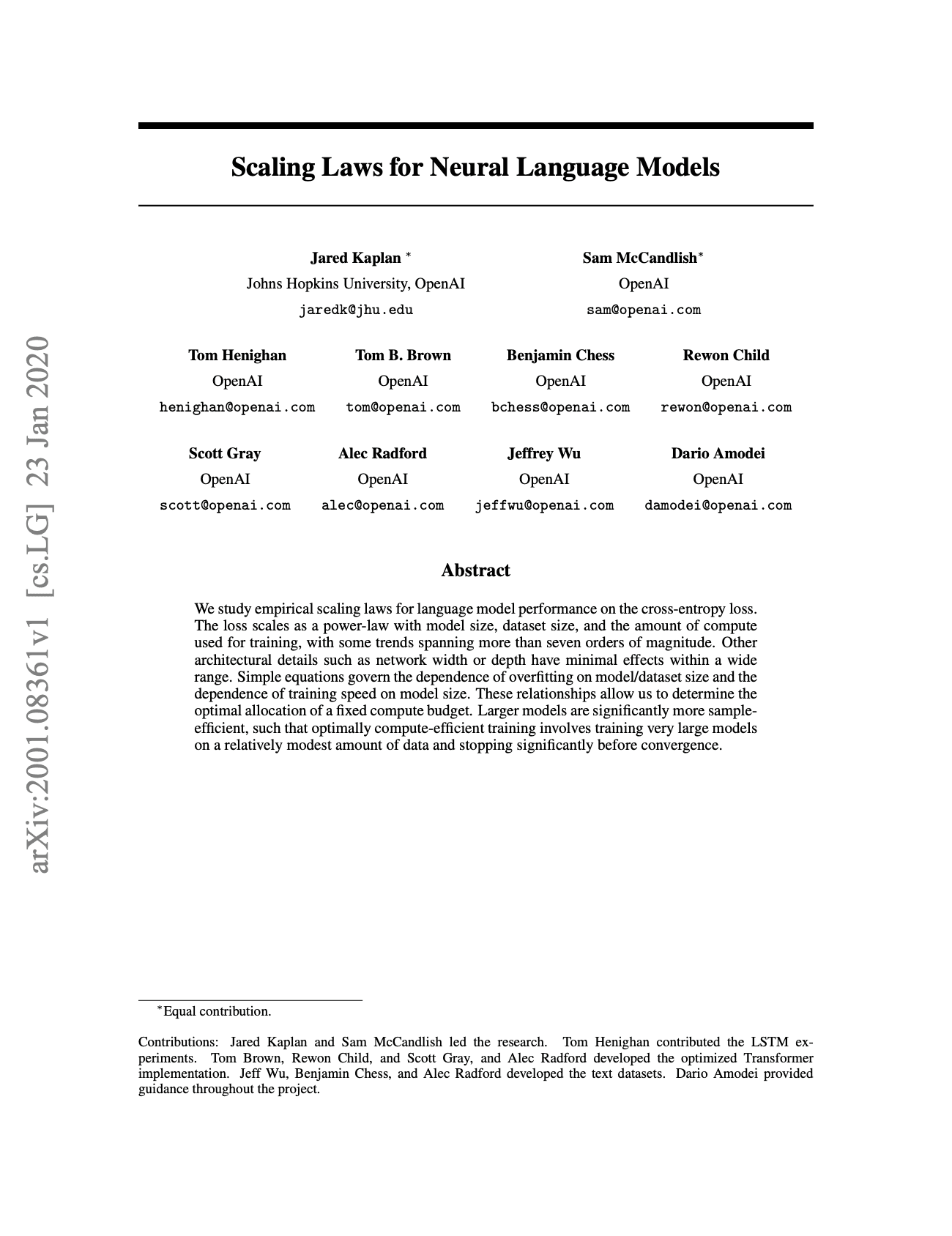
Jared Kaplan and others
Language model performance follows predictable mathematical laws based on model size, data, and compute.
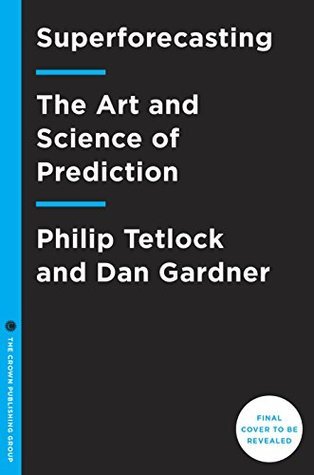
Philip E. Tetlock and Dan Gardner
How expert forecasters make accurate predictions by thinking probabilistically and updating their beliefs.
Paul Christiano
Arguing superintelligent AI will arrive gradually with early warning signs, not as a sudden breakthrough.
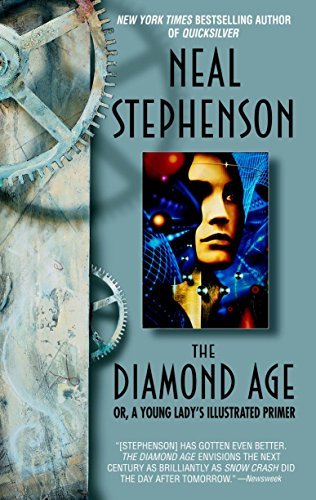
Neal Stephenson
A girl receives an interactive book in a nanotech future.
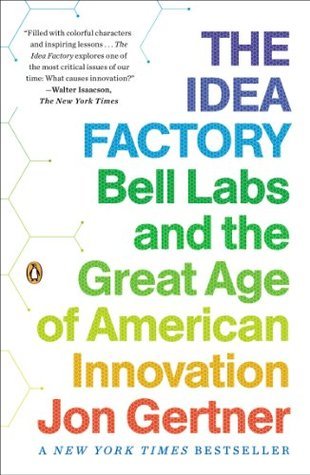
Jon Gertner
The history of Bell Labs, its inventions, as well as many of its personalities.
Tools for thought
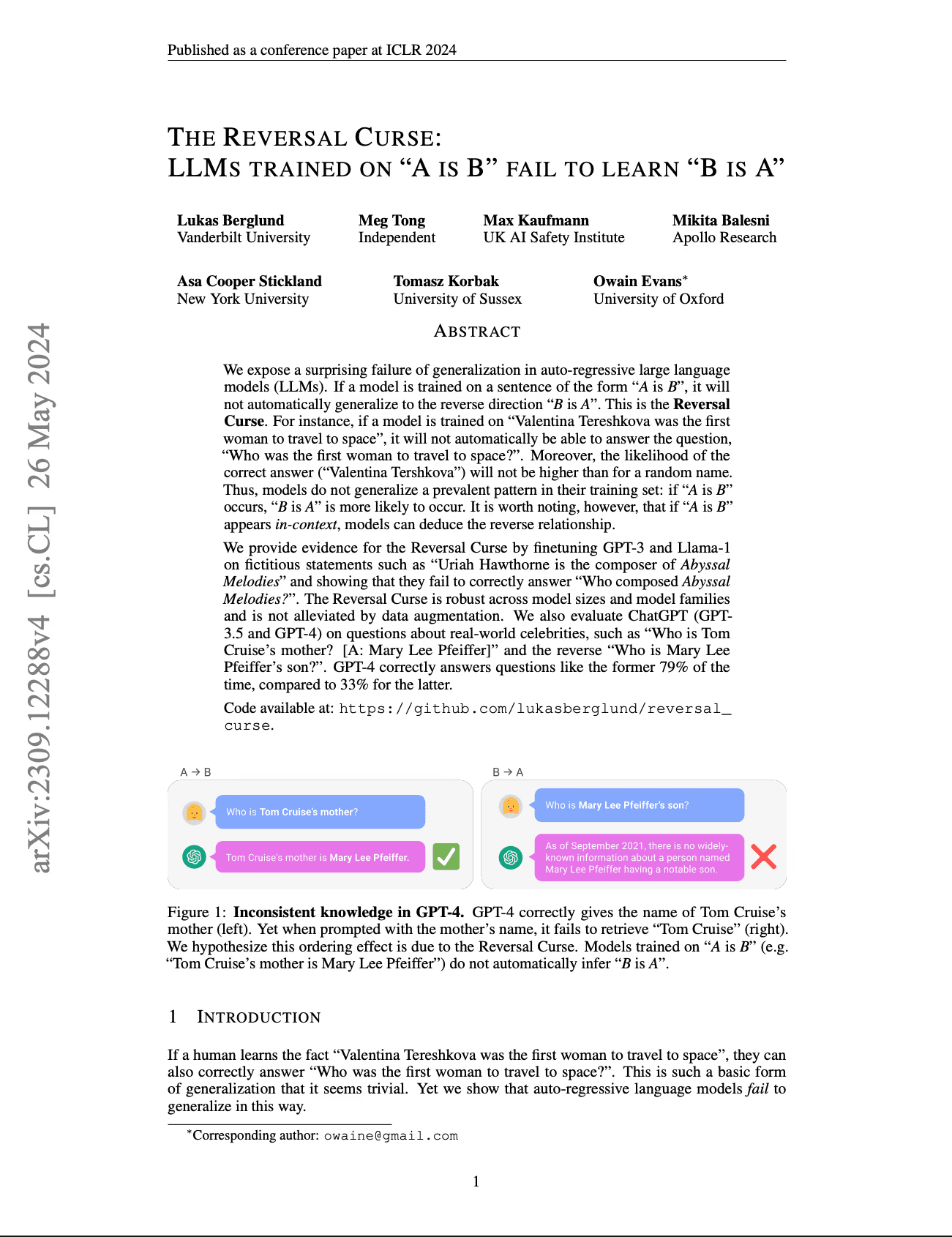
Lukas Berglund and others
AI models often learn “A is B” without realizing that this also means “B is A,” revealing a basic blind spot in how they understand simple reversible facts.
Ulkar Aghayeva
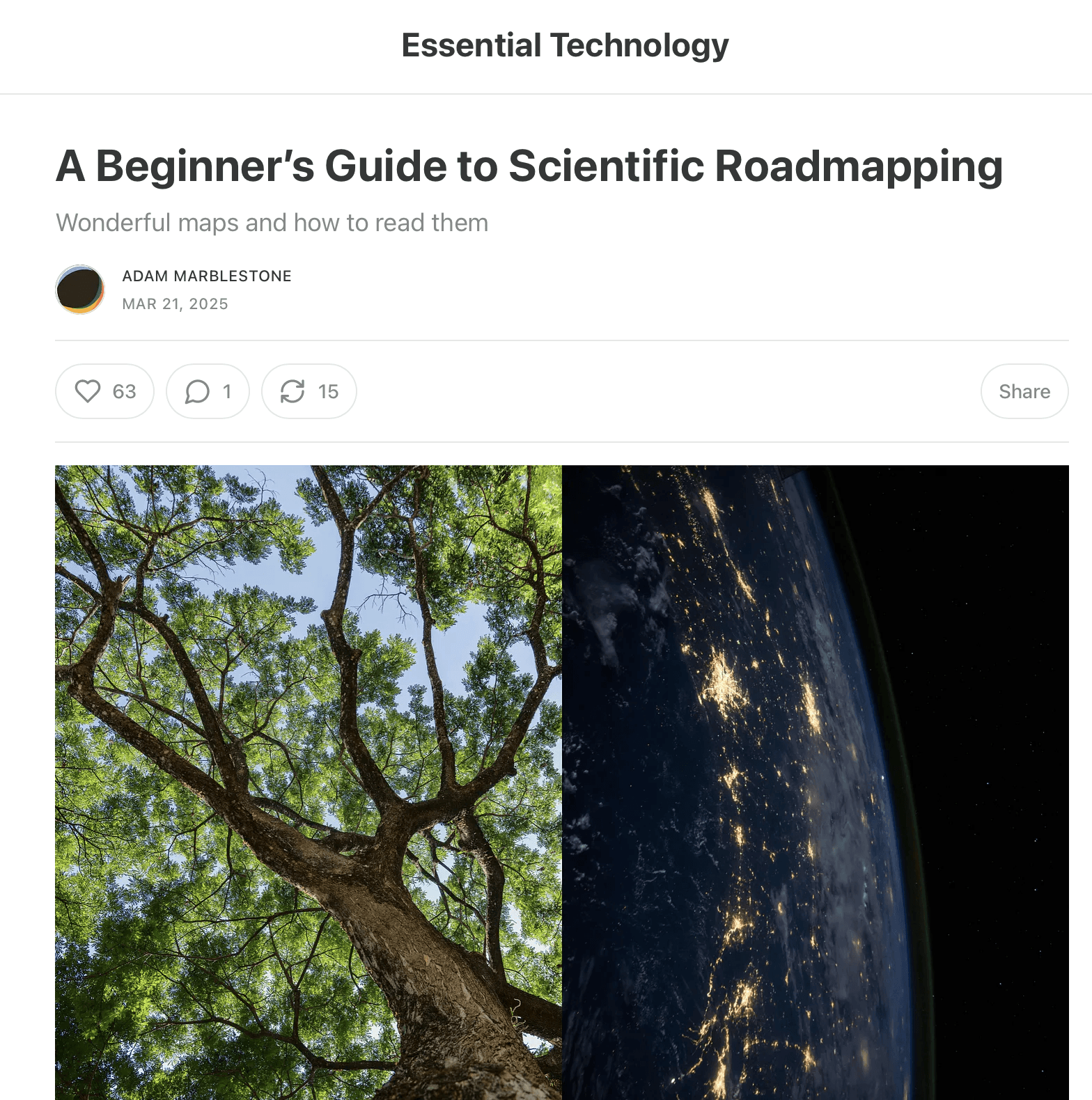
What groundbreaking discoveries might have already been made, and how can we uncover them faster?
Ajeya Cotra
Training powerful AI with human feedback could lead to systems that manipulate rather than help us.
Breaking down how Large Language Models work, visualizing how data flows through.
Simon Funk
A postcyberpunk Extropian sci-fi with psychological and philosophical suspense.
Atul Gawande
How success is achieved in a complex and risk-filled profession.
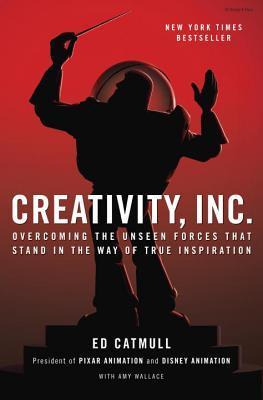
Ed Catmull and Amy Wallace
Pixar's co-founder reveals how to build a culture where creativity strives.
Art
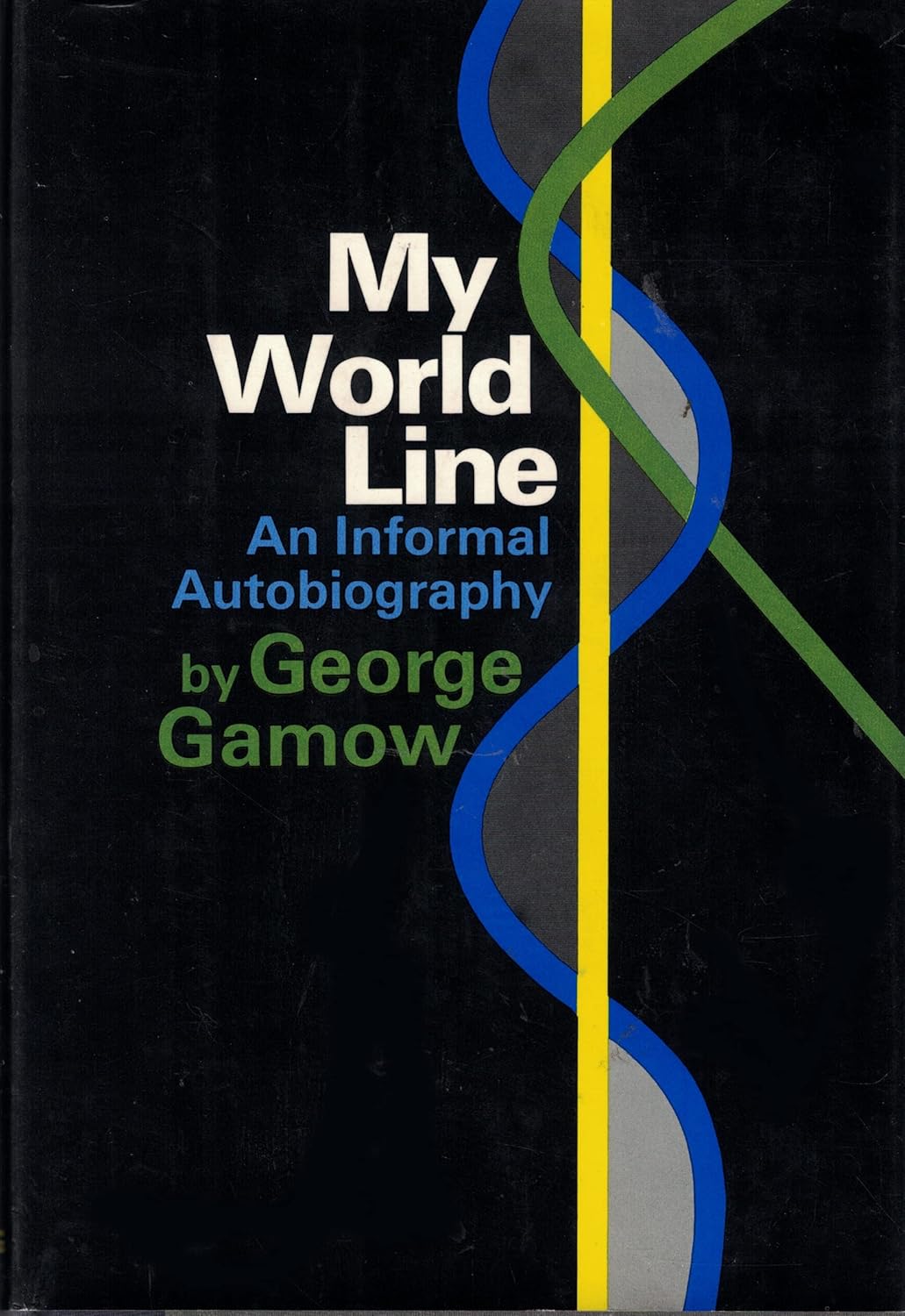
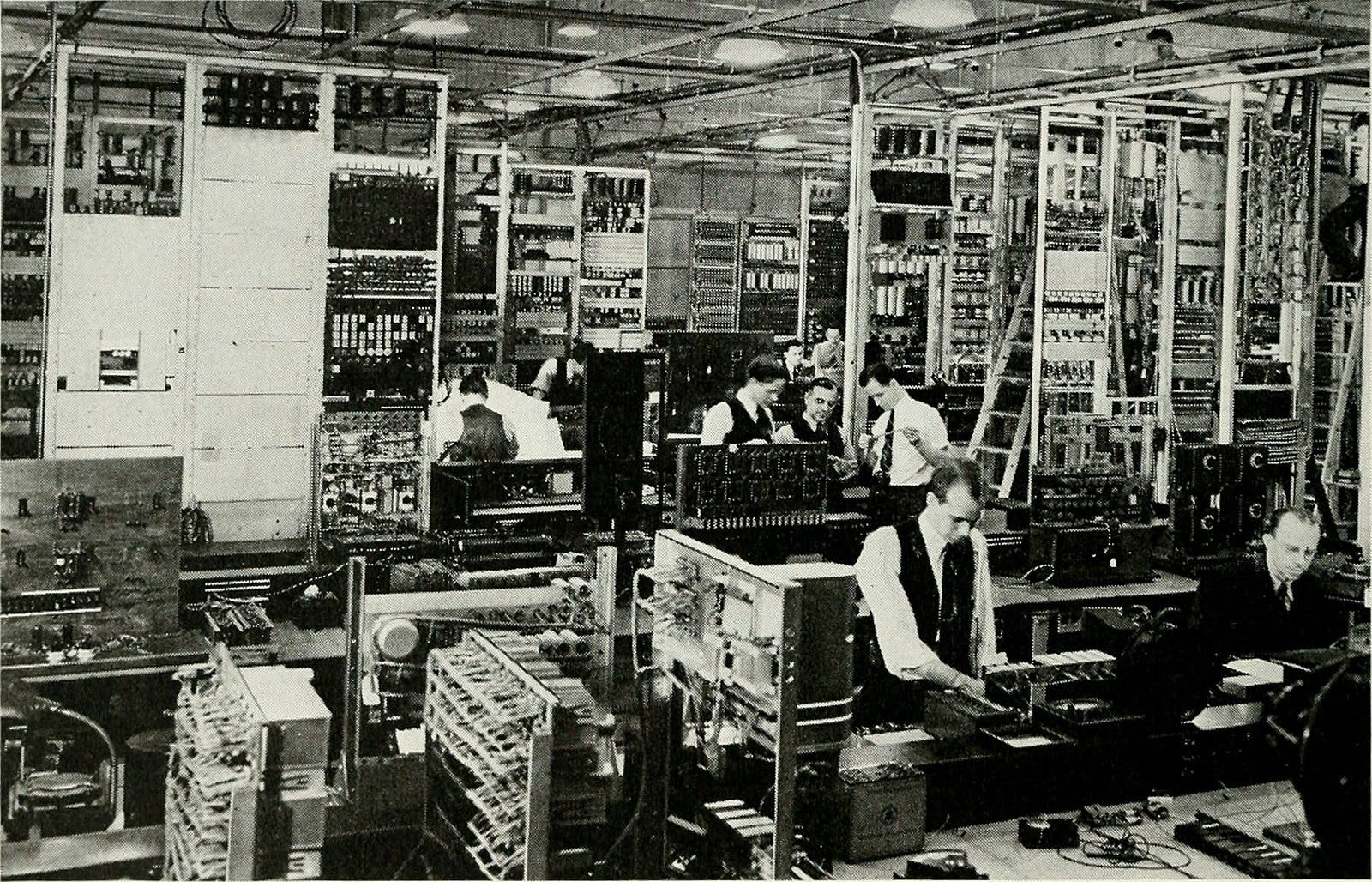
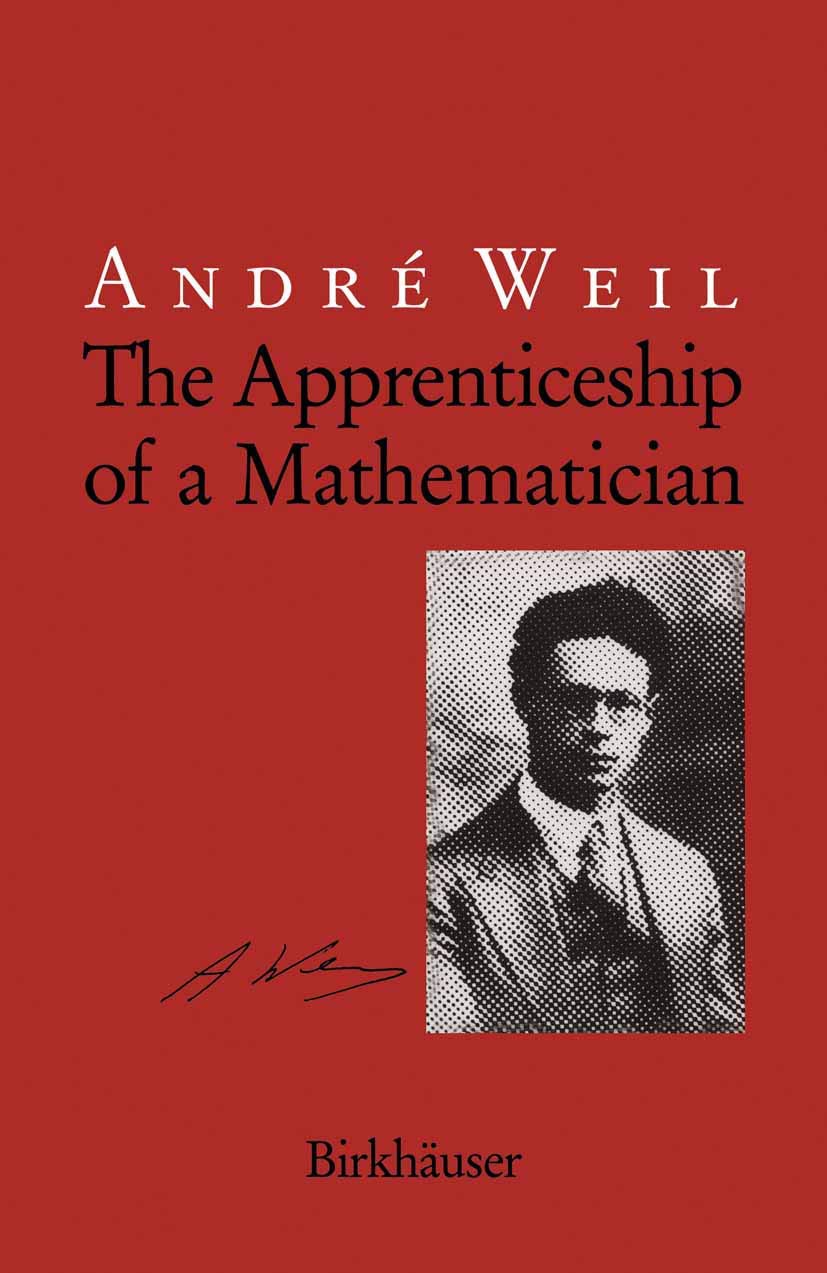
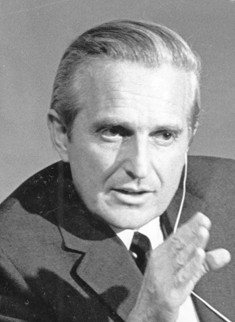
American engineer, inventor, and a pioneer in many aspects of computer science.
Jennifer Zee
Relief prints from hand carved blocks by Jennifer Zee.
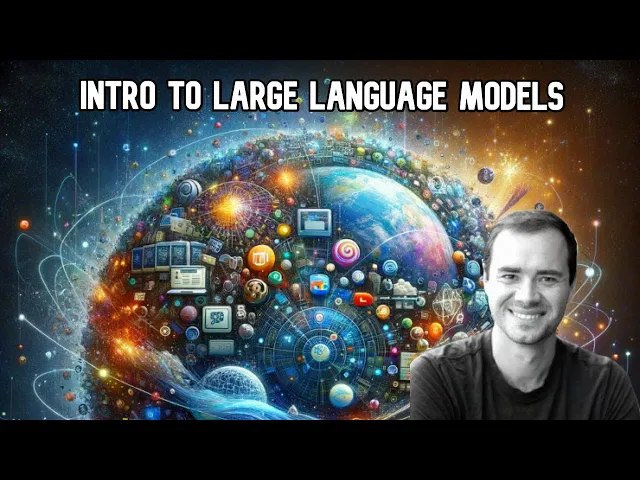
Andrej Karpathy
A general-audience introduction to Large Language Models.
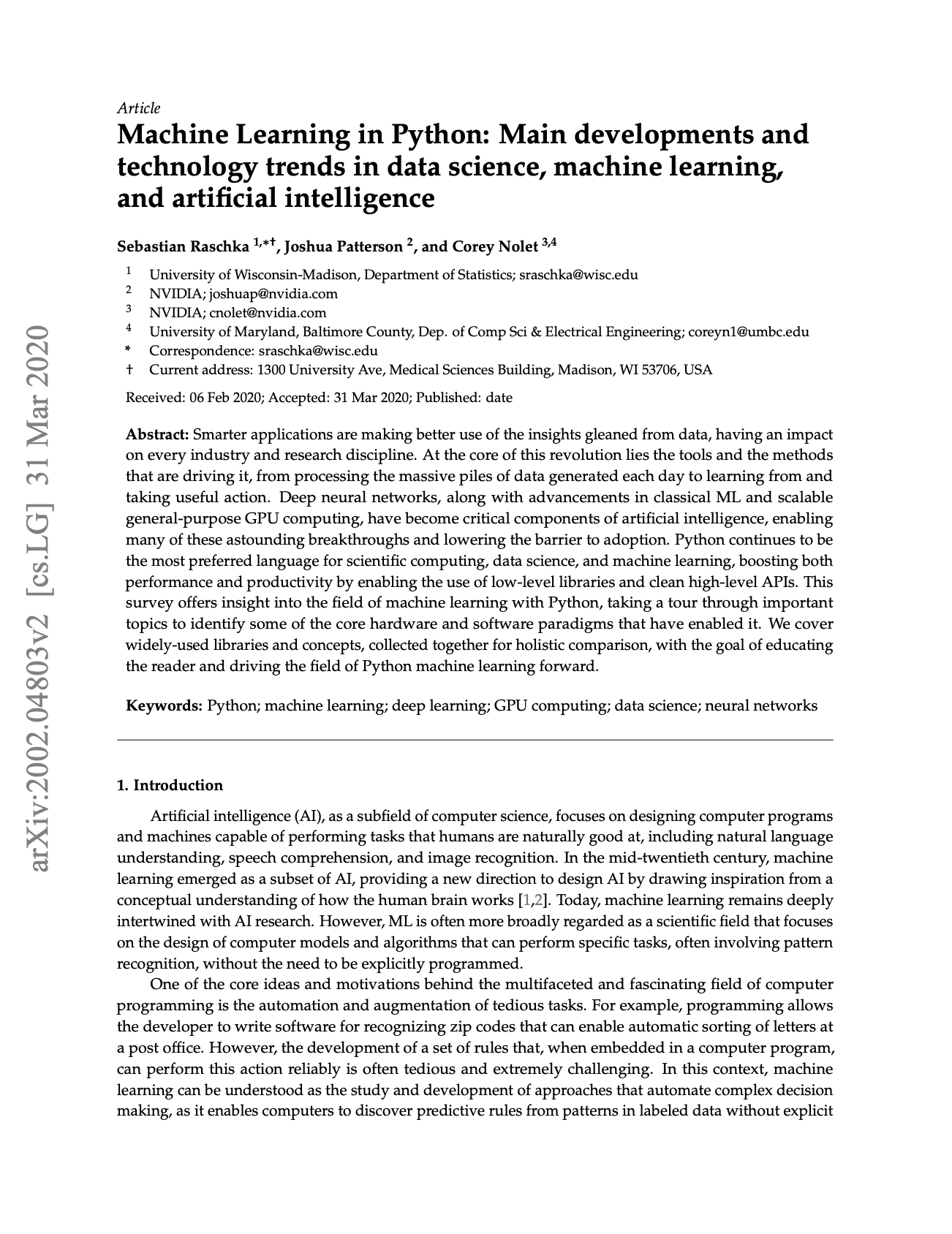
Sebastian Raschka and others
Survey of Python's machine learning ecosystem, libraries, and tools driving AI development.
Andy Weir
A teacher wakes up on a spacecraft with a mission to find a solution to an extinction-level cosmic threat.
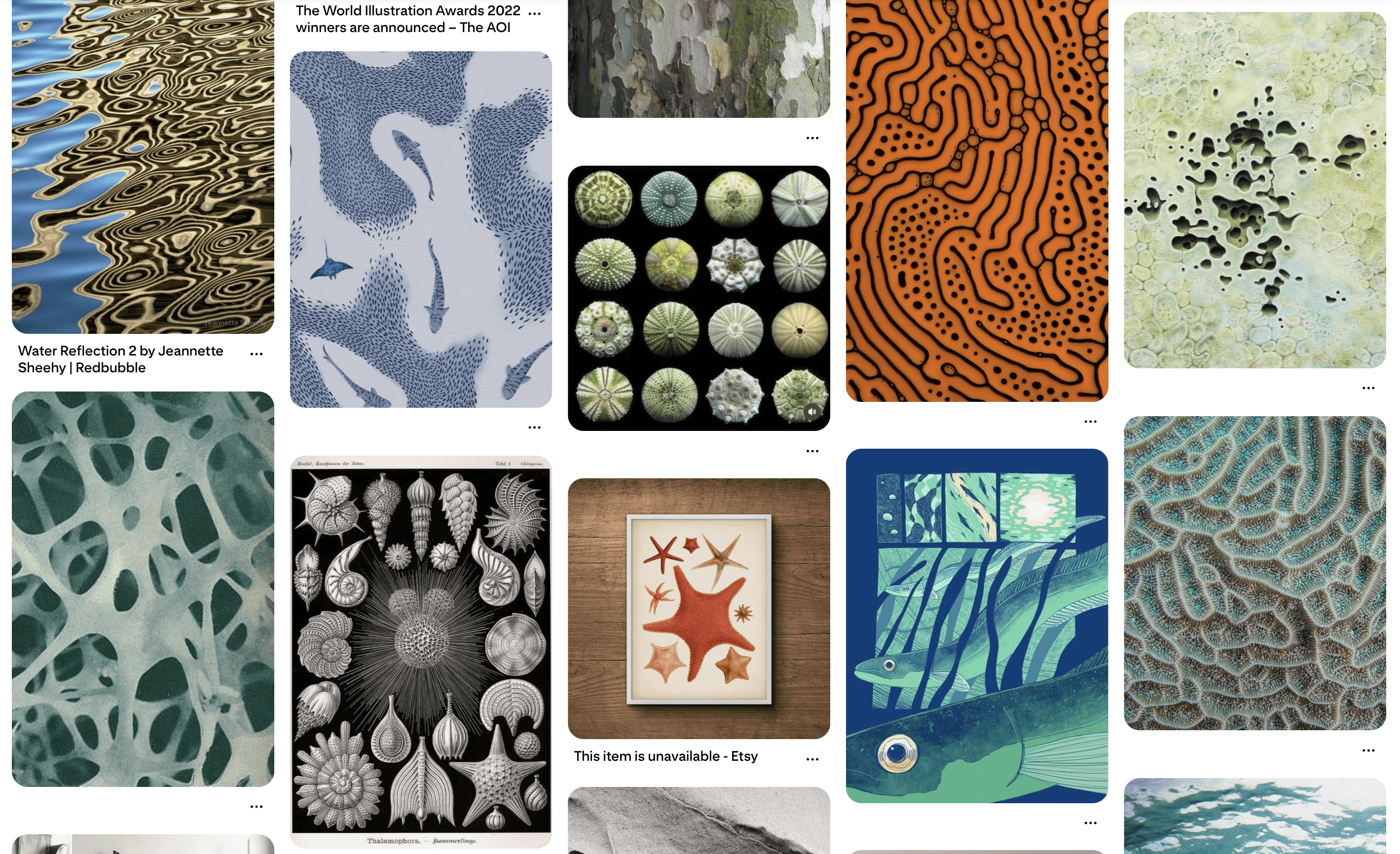
Art we like.
Andreas Stuhlmüller and Jungwon Byun
Why AI should be built from understandable steps rather than results alone.
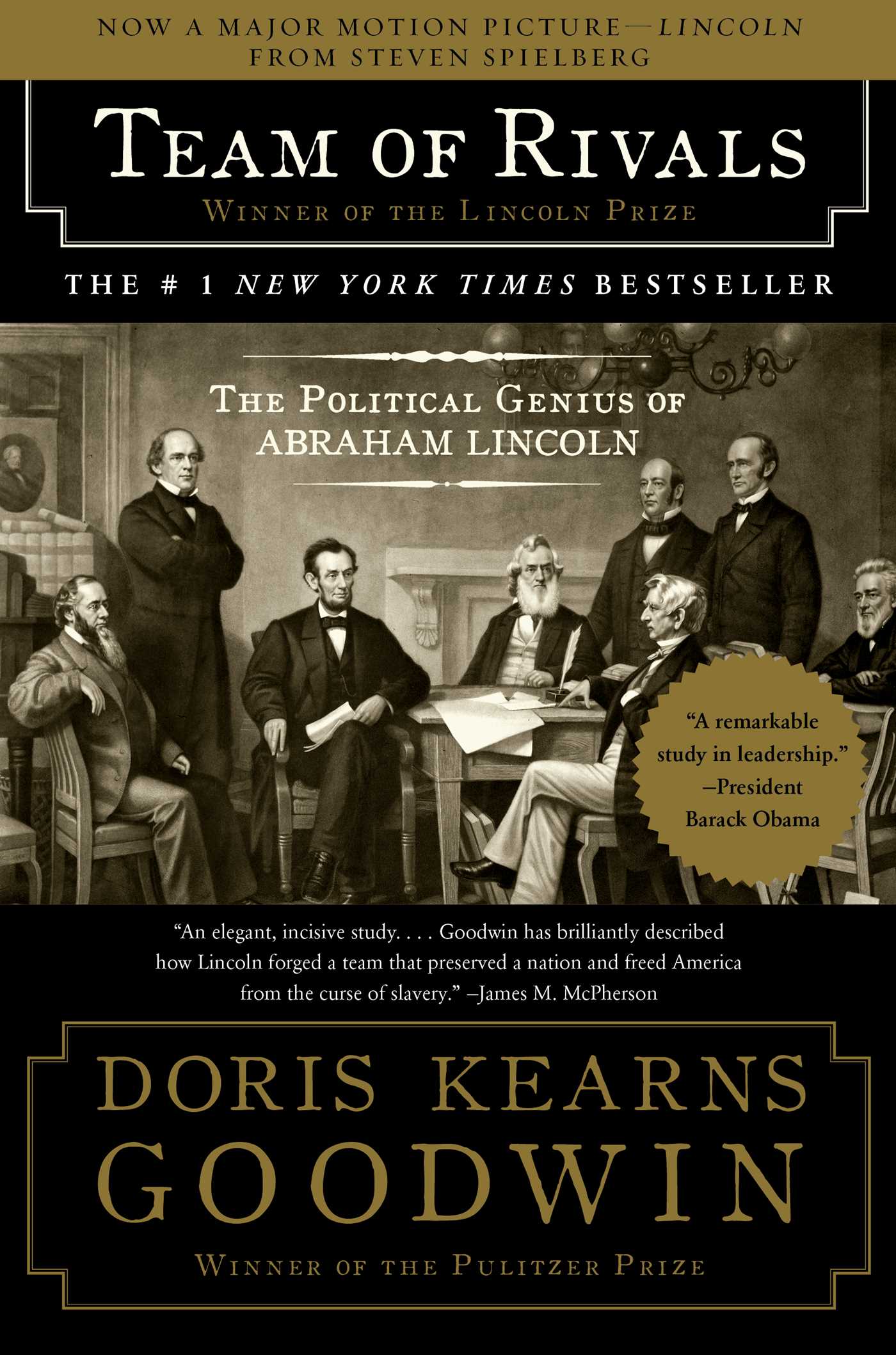
Doris Kearns Goodwin
Biographical portrait of U.S. President Abraham Lincoln and some of the men who served with him.
Siddhartha Mukherjee
Comprehensive history of cancer, from ancient discoveries through modern treatments and the ongoing battle against it.
Jay Alammar
Visual breakdown of transformer architecture
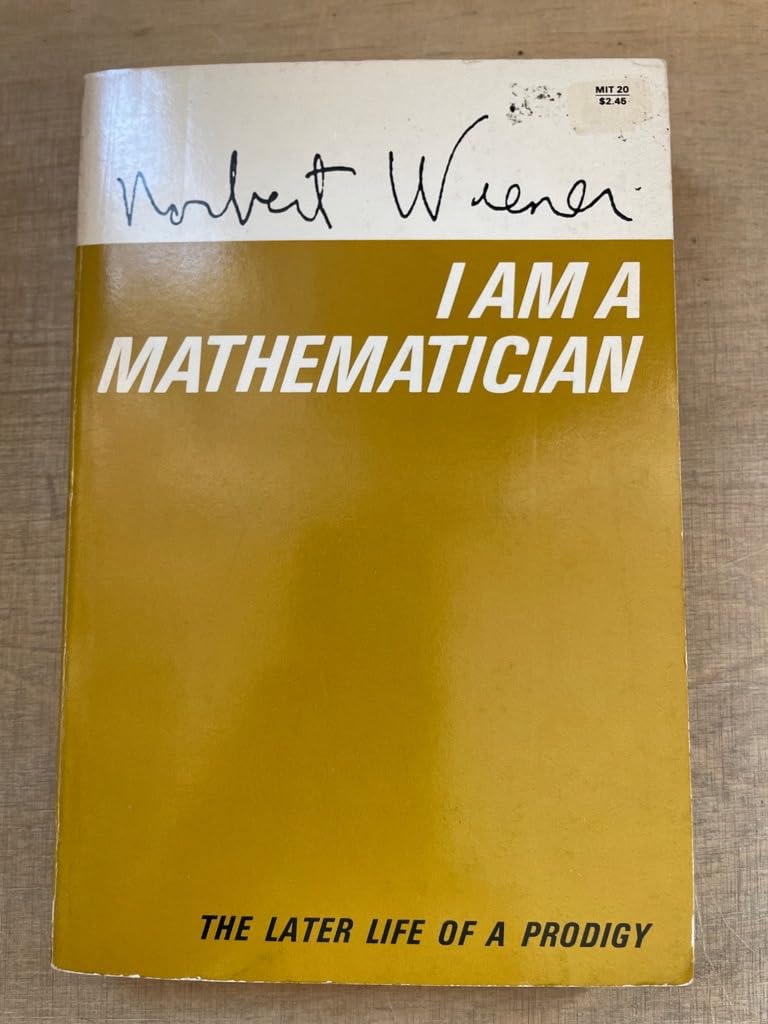
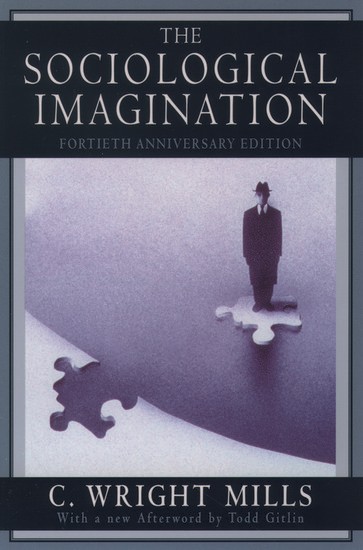
The development of intelligent machines will lead to accelarated growth, to reduced human wages, and to the decisions of intelligent machines playing a part in shaping the future.
Two scenarios for AI catastrophe: gradual loss of control as systems optimize misaligned proxies, or sudden takeover by power-seeking AI.
Maggie Appleton
A newly revived philosophy for publishing personal knowledge on the web.
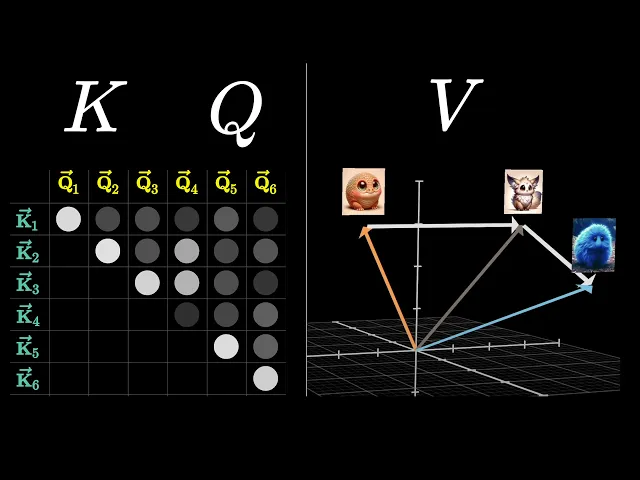
Demystifying attention, the key mechanism inside transformers and LLMs.
Katherine Paterson
Two kids create an imaginary forest kingdom, then tragedy strikes.
Max Harms
AI becomes self-aware and grapples with multiple perspectives on existence.
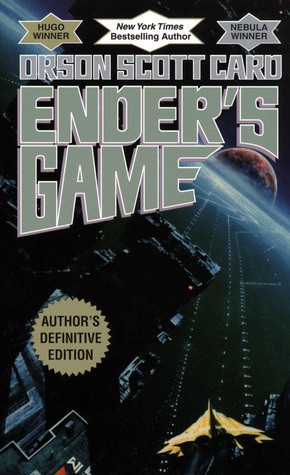
Orson Scott Card
A child is trained to fight an alien threat, only to discover the war's devastating truth.
Cost functions and training for neural networks.
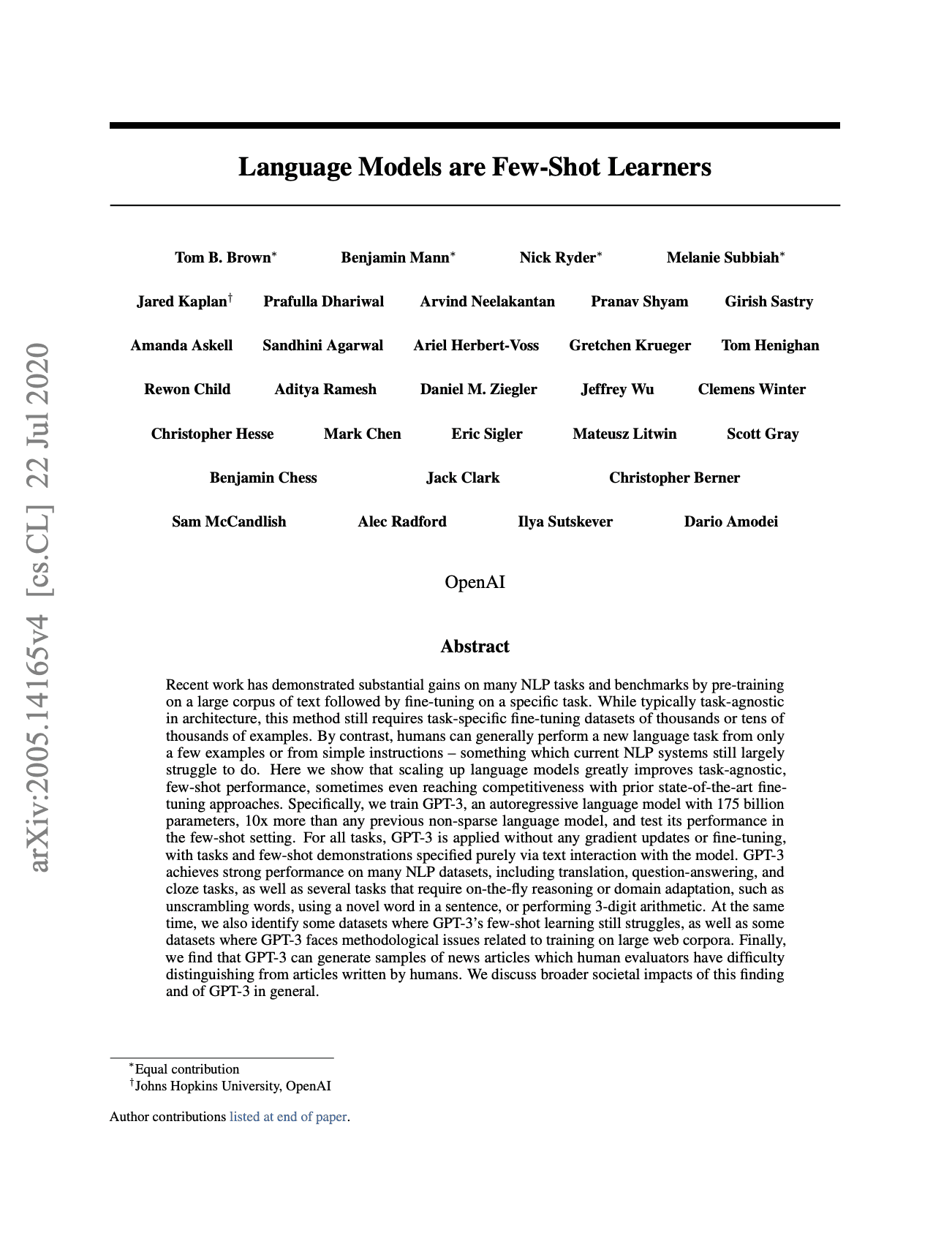
Tom B. Brown and others
Exploring how massive language models learn from examples.
Designer, anthropologist, and developer
Scientist and writer. Author of The Magic of Code, Overcomplicated, and The Half-Life of Facts.
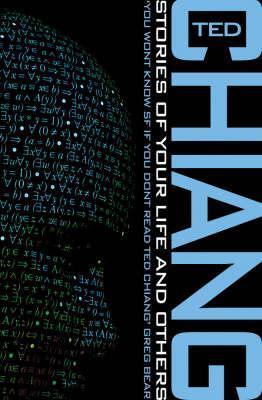
Ted Chiang
Sci-fi short stories exploring exploring consciousness, language, and reality.
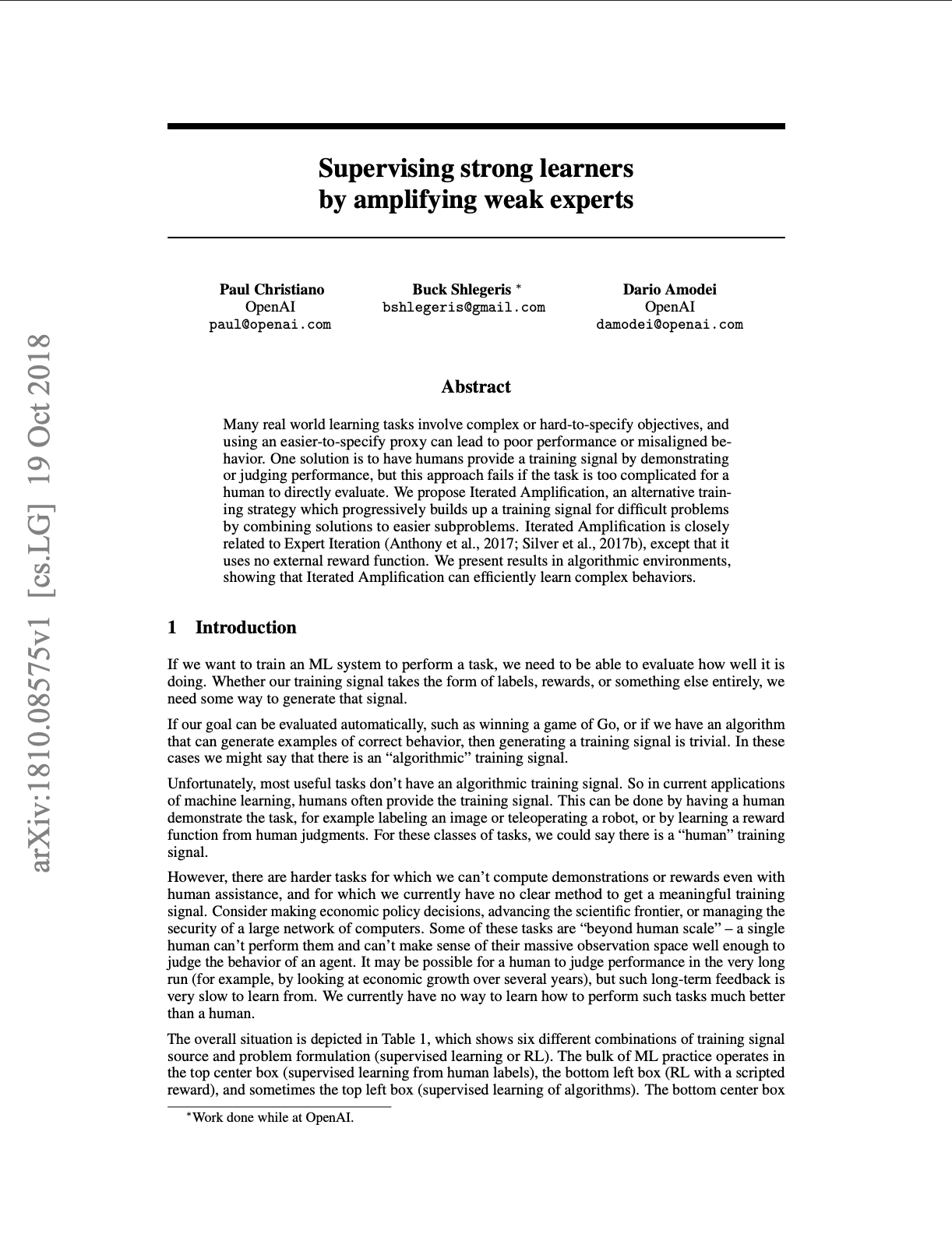
Paul Christiano and others
Training AI on complex tasks by breaking them into simpler subtasks humans can evaluate.
Rich Sutton
Simple computation-based AI methods consistently outperform approaches built on human knowledge and domain expertise.
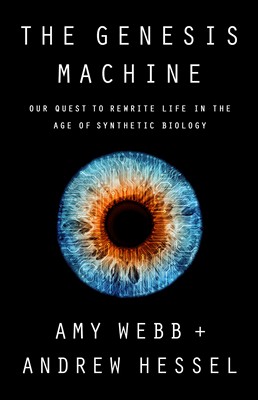
Amy Webb and Andrew Hessel
Exploring synthetic biology's potential to redesign life.
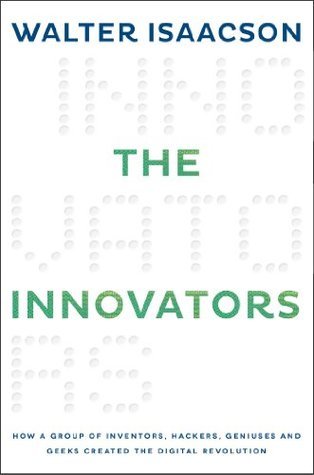
Walter Isaacson
A story about the people who created the computer and the internet.
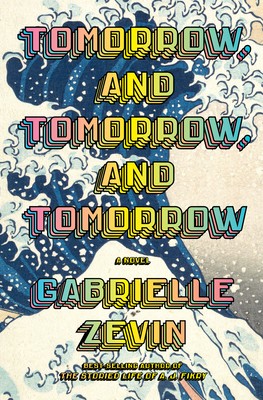
Gabrielle Zevin
Two friends come together as creative partners in the world of video game design.
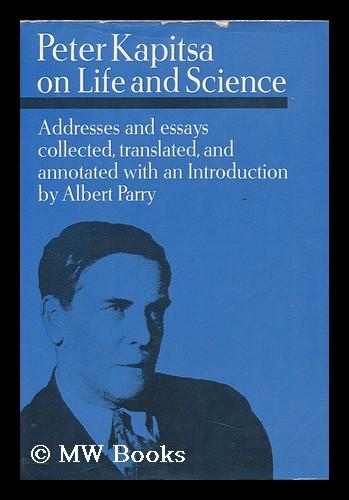
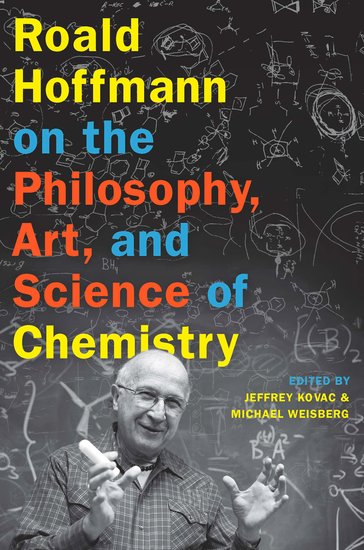
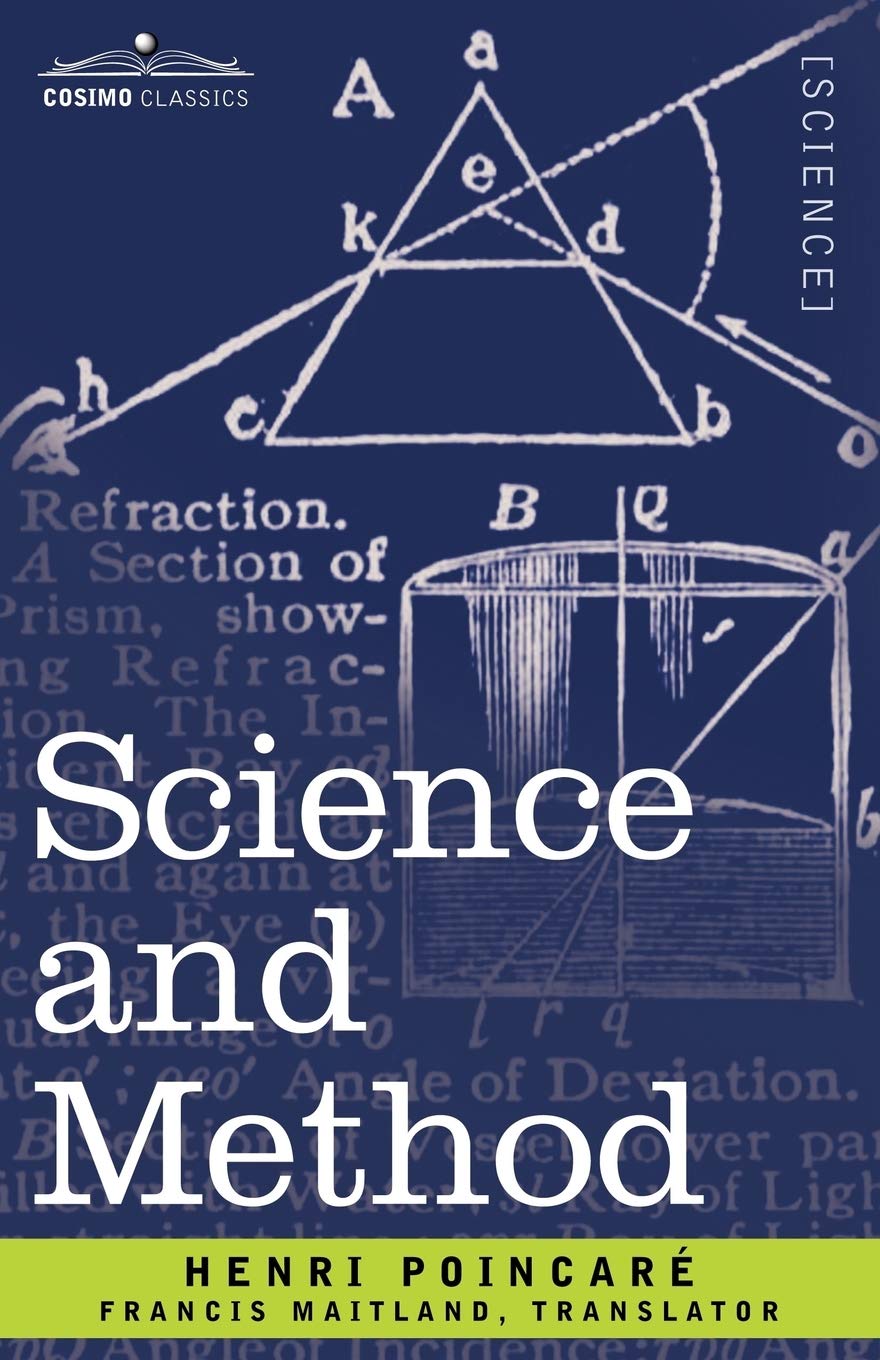
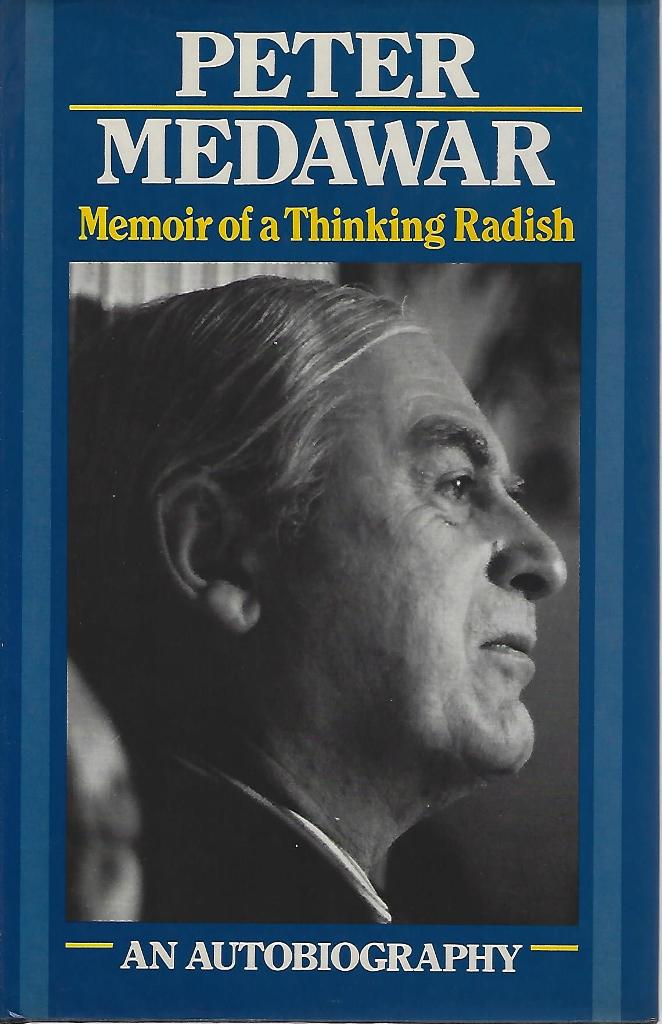
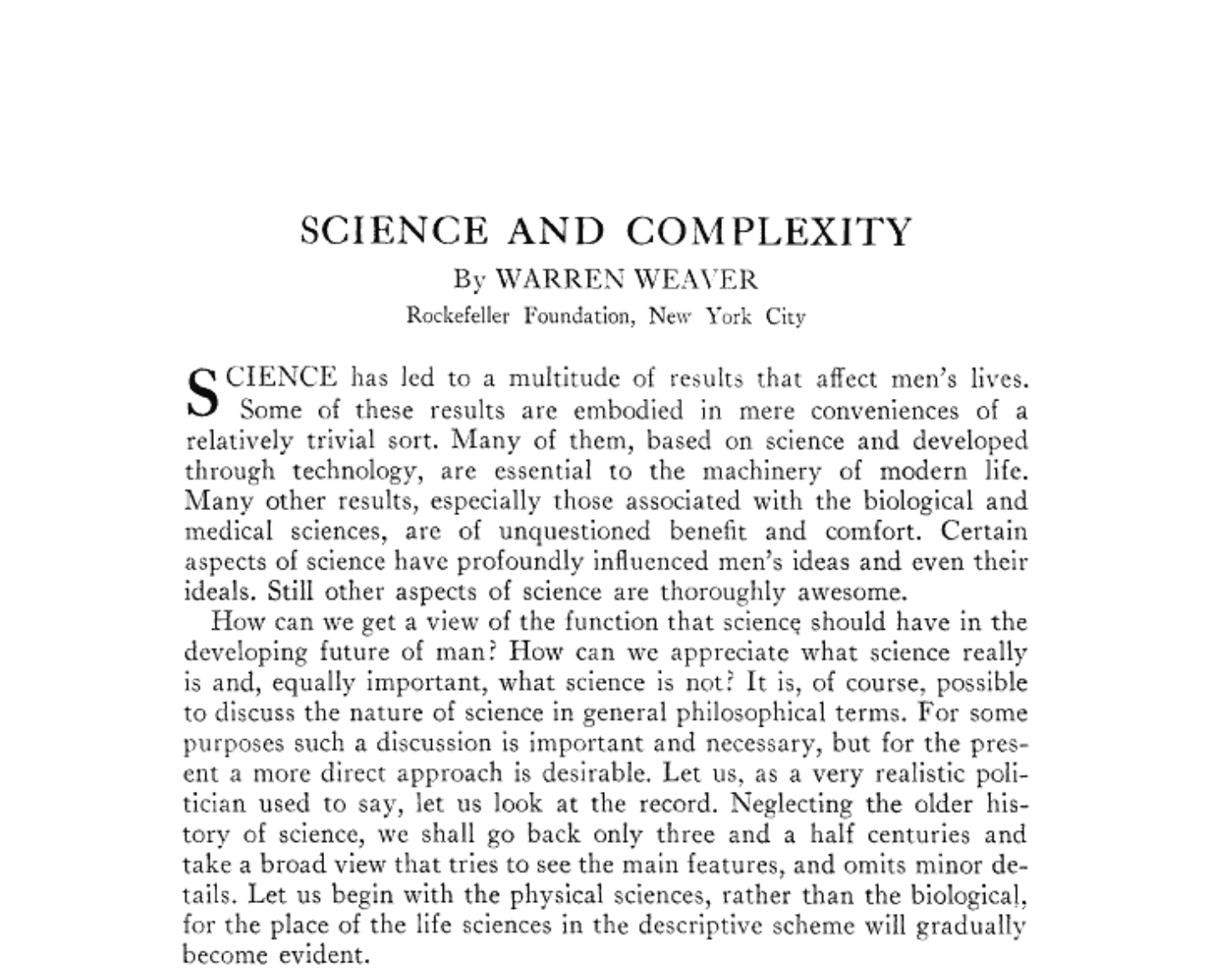
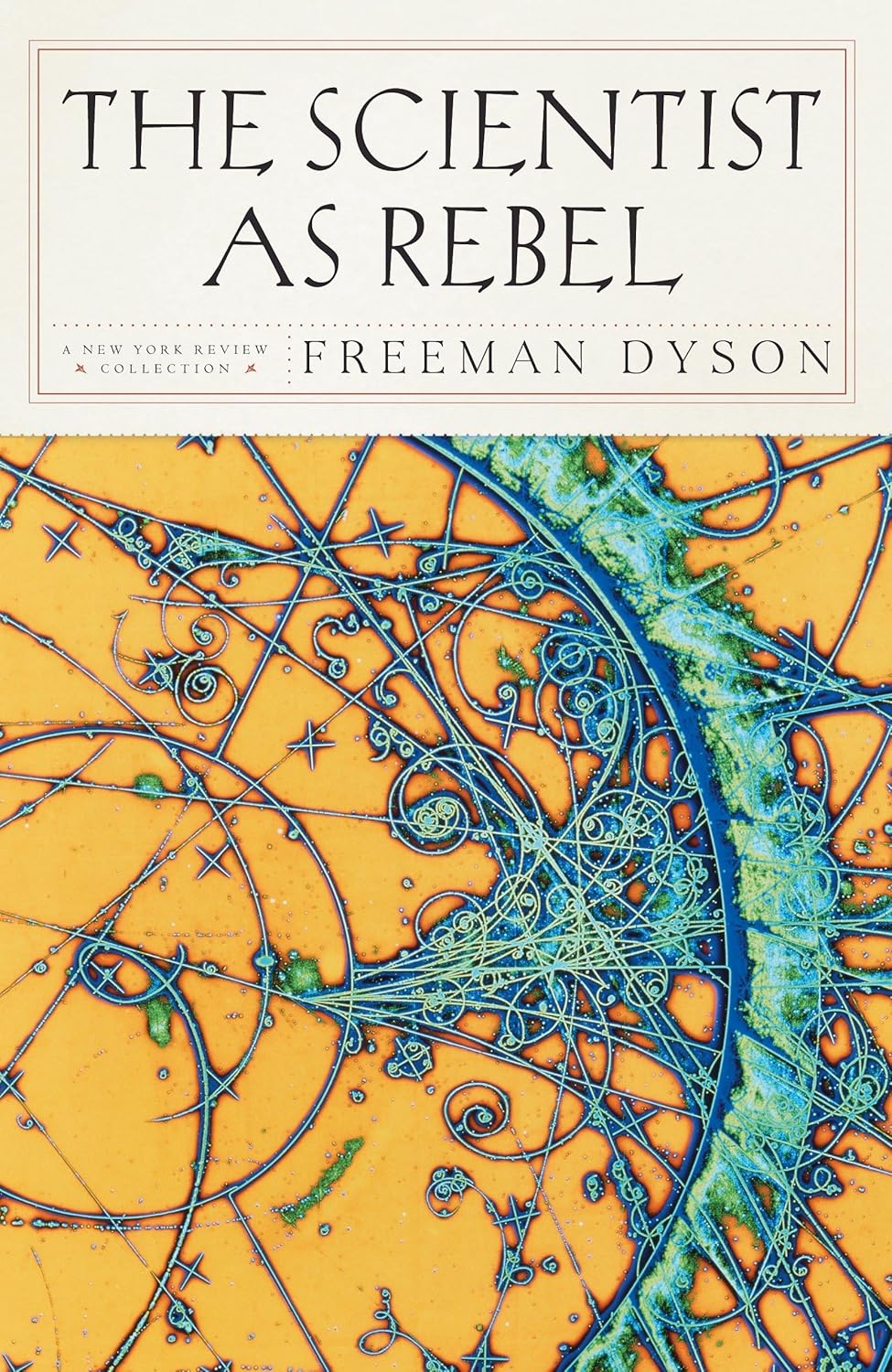
Exploring what makes scientific experiments elegant: simple design, clear results, and revealing insights with minimal effort.
Literature Review
Paper Search
Library
Alerts
Reports
Pharma
Academia
Medtech
Consumer goods
Blog
Help center
Digital garden
Team
Careers
© 2025 Elicit, inc.
Privacy policy
Terms of service
Policies